
Have you ever been frustrated by a shift turnover that left the production floor in a total mess? Or had a team member miss a critical deadline simply because they didn’t know which project was the priority?
In the high-volume print and mail world, we often mistake being a tough leader for being clear. We assume that a checklist or production status report communicates expectations. In reality, they communicate the bare minimum and leave your team with more questions.
In my last article, I introduced the leadership strategies by Dr. Brené Brown from her newest book, Strong Ground: The Lessons of Daring Leadership, the Tenacity of Paradox, and the Wisdom of the Human Spirit. Leading with grounded confidence means staying steady when the operation is in trouble by anchoring your actions in core values rather than reactive anxiety. Managing people is difficult, and it requires a daily commitment to learning; and effective communication that builds trust.
Brown uses a simple mantra that should be taped to the wall of every production office: “Clear is kind. Unclear is unkind.” When I presented this topic at the IPMA annual conference, managers shared the number one issue cited by staff was a lack of clear communication regarding new jobs. Production managers and supervisors were frustrated because they did not understand project details; meaning they didn’t know what getting the job done right actually looked like. When we fail to provide radical clarity, we create a gap that employees fill with frustration, guesswork, and errors. To bridge this gap, leaders must move past micromanagement and adopt practical tools that operationalize empathy and accountability.
The Power of “Painting Done”
In operations, we work in the details of substrates, versions, finishing, packing, shipping, and samples. Yet, when delegating, managers often fall into the trap of saying vague things like, “Get this job out by tonight.”
Brown’s strategy for daring leaders is a tool called “Painting Done.” Instead of giving a generic command, you describe exactly what a successful completion looks like in vivid detail. For example, do not just tell your team to finish the daily statement job. Paint done: “The trays need to be tagged, staged correctly by the loading dock, and the USPS mail manifest must be signed and logged by 4:00 PM.” When people can connect their daily tasks to specific operational goals, they find meaning in the work. “Painting done” builds a cohesive team because everyone knows the exact target for which they are shooting.
The Morning After an SLA Failure
Even with perfect clarity, operations break down. How you handle those failures determines whether your culture builds trust or breeds fear. Imagine a data sorting error or new format issue for a high-volume mailing. Thousands of pieces are printed with misaligned barcodes, resulting in missing the mail drop SLA.
An armored leader storms into the morning production meeting ready for battle. Driven by the assumption that the night shift supervisor simply failed to monitor the line, they lead with blame: “Who signed off on the proof? Why wasn’t the log filled out?” They focus entirely on being right and assigning blame to protect their own standing. In response, the supervisors armor up, hide information, point fingers at data processing, prepress, and software. The root cause stays buried.
Radical Clarity and the “Rumble”
The daring leader calls a “Rumble”—a structured, honest conversation where everyone can discuss challenges without stripping away human dignity. They sit down with both shift leads and say, “An SLA was missed, and it’s a big deal. But I’m not here to point fingers; I am here to figure out how our process let us down. Let’s map out the steps. Where did the warning signs get missed, and what do we need to change today so this cannot happen again?”
Because the leader chooses to be a learner, the truth emerges. The team reveals that the night shift was running short-staffed due to a sudden illness, forcing the supervisor to run a machine instead of auditing proofs. By focusing on getting it right, instead of being right, you fix the real problem: staffing backups and verification protocols, while keeping your team’s loyalty intact.
The Learner’s Checklist
To run a productive rumble session after an operational setback, you must check your ego at the door. Use these quick grounding statements before addressing your staff:
- I am ready to sit next to you rather than across from you.
- I am ready to listen, ask questions, and accept that I may not fully understand the issue yet.
- I can hold you accountable without shaming or blaming you.
- I am open to owning my part of the problem.
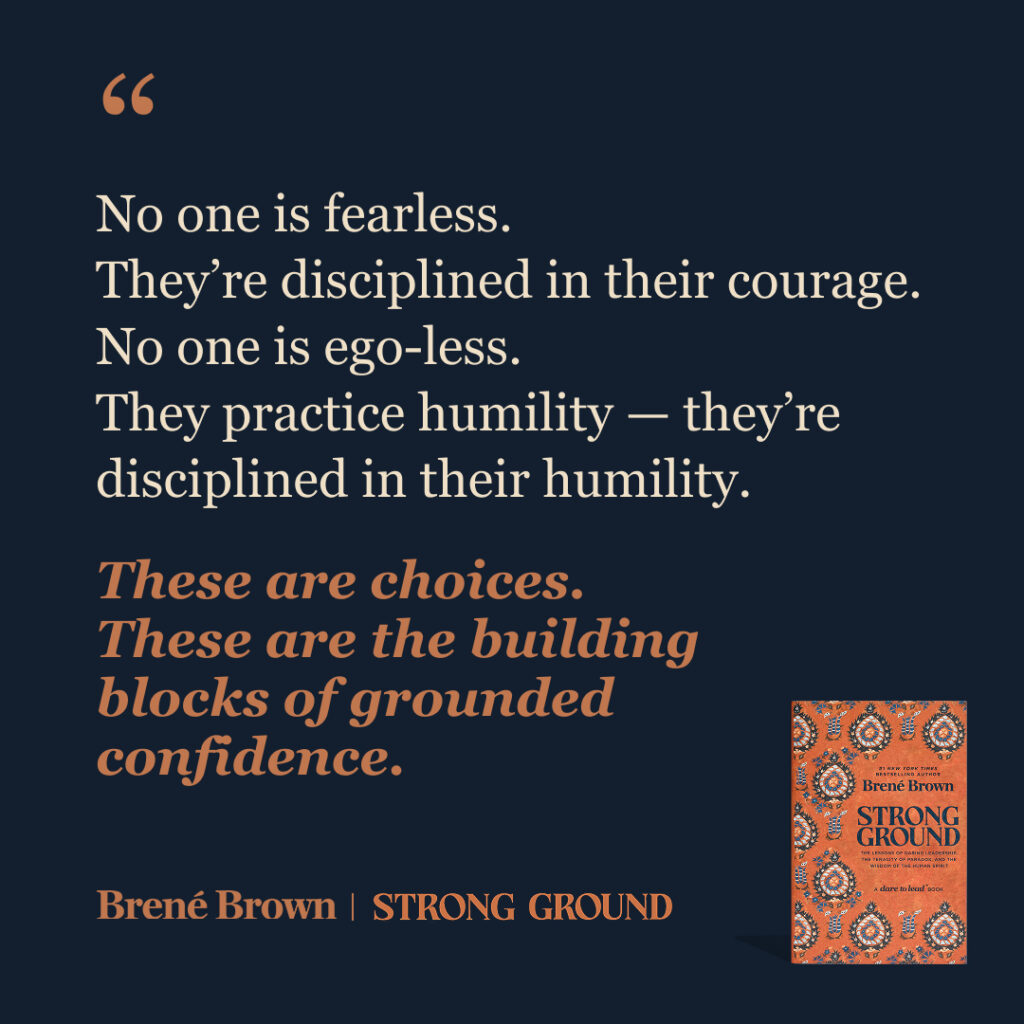
When a team faces a bad run, they do not need an angry boss; they need a steady leader who uses analytical curiosity like a detective solving a mystery. By using open-ended rumble starters such as “Tell me more,” “Walk me through the process,” or “What problem are we trying to solve?”, you uncover assumptions and look at bad systems instead of looking for bad people.
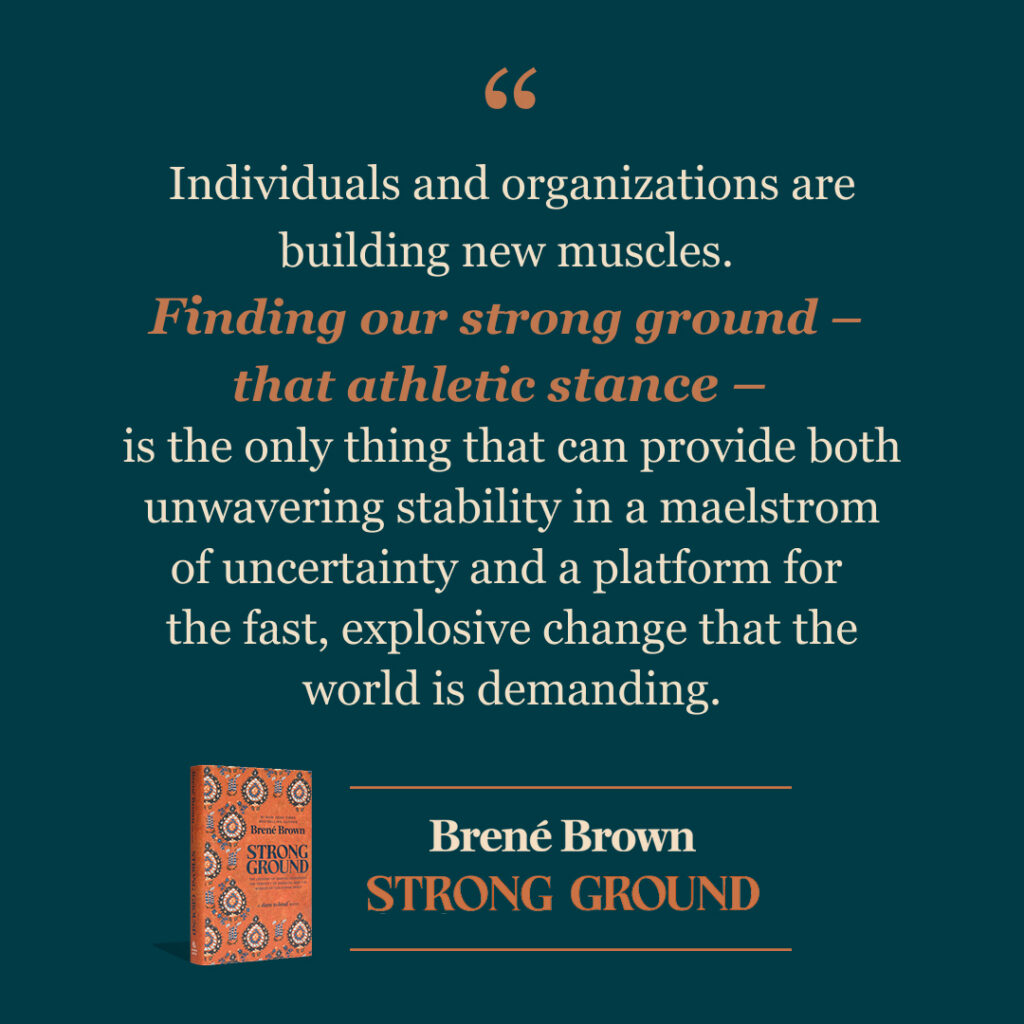
As individuals and organizations build new leadership muscles, finding our “strong ground” is essential. That steady, athletic stance provides stability during a chaotic shift and gives your operation the platform it needs to handle rapid changes. Drop the armor, practice clarity, and choose curiosity on your production floor tomorrow.

Lois Ritarossi, CMC®, is the President of High Rock Strategies, a consulting firm focused on sales and marketing strategies, and business growth for firms in the print, mail and communication sectors. Lois brings her clients a cross functional skill set and strategic thinking with disciplines in business strategy, sales process, sales training, marketing, software implementation, inkjet transformation and workflow optimization. Lois has enabled clients to successfully launch new products and services with integrated sales and marketing strategies, and enabled sales teams to effectively win new business. You can reach Lois at https://www.highrockstrategies.com/ or Lritarossi@highrockstrategies.com